Why Babies Wake Up Often: Gentle Fixes That Work
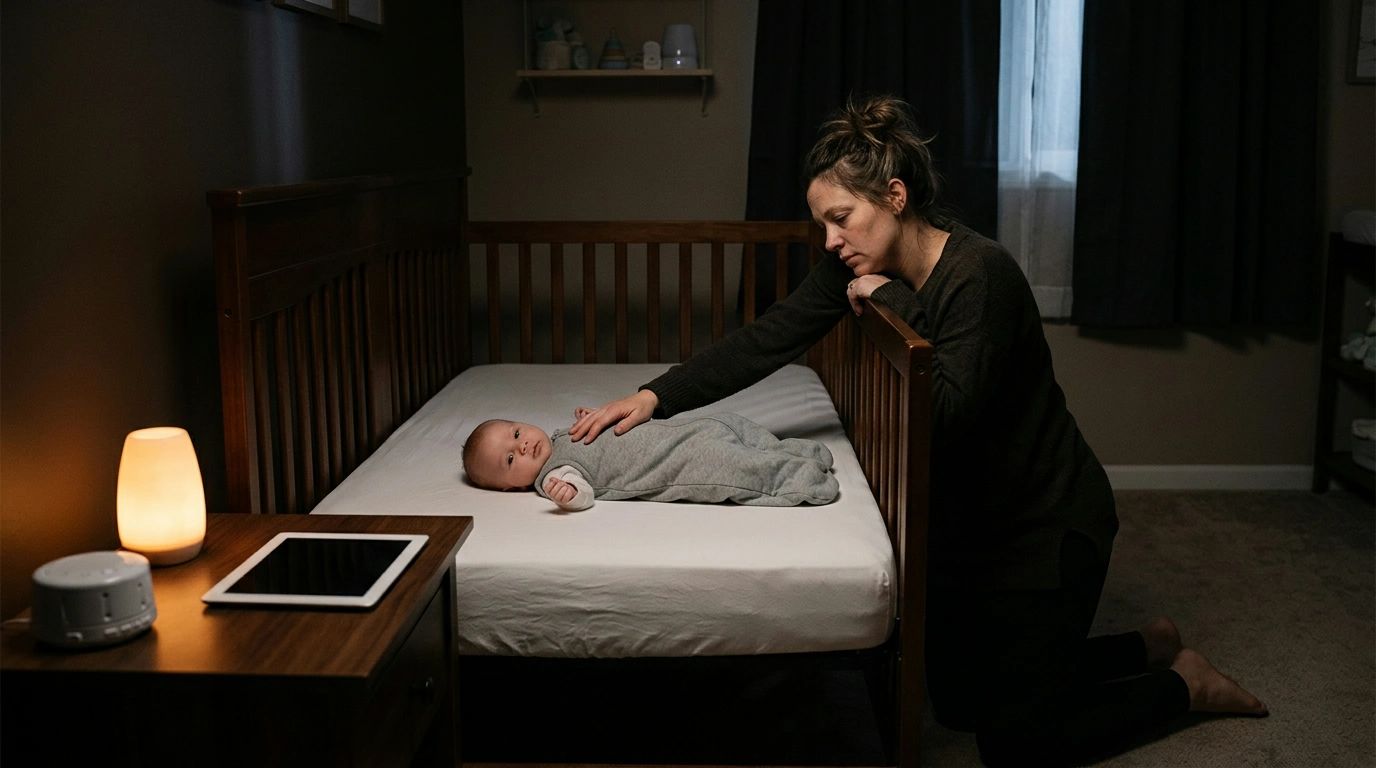
When your baby wakes again—after what felt like five minutes of sleep—it can be exhausting and confusing. Frequent night waking is often a normal blend of infant biology, feeding needs, and developing sleep cycles. The good news: small, gentle adjustments can support longer stretches over time without harsh methods. For more guidance, see Helping baby sleep through the night – Mayo Clinic.
What “normal” baby sleep looks like (and why it feels so broken)
Adult sleep tends to be consolidated into long blocks. Baby sleep is not. In the early months, sleep is naturally fragmented because your baby’s body is built for frequent fueling and frequent check-ins with you. For further reading, see Sleep Training for Babies – Sleep Foundation.
- Newborn sleep is fragmented because tiny stomachs need regular feeds—day and night.
- More time in lighter sleep means babies are easier to rouse from noise, movement, hunger, or discomfort.
- Sleep develops in waves; longer stretches often appear, disappear, then return.
- Temperament matters; some babies shift between sleep cycles more smoothly than others.
If it feels “worse than it should be,” it may still be within the range of normal—just normal that’s incredibly hard on parents.
Why babies wake up often: the most common causes
Many wake-ups come down to one (or a combination) of these patterns:
- Hunger and growth spurts: increased calorie needs can temporarily ramp up night feeds and waking.
- Sleep-cycle transitions: babies may wake fully between cycles if they rely on a specific condition to fall asleep (rocking, feeding, pacifier replacement).
- Overtiredness or undertiredness: wake windows and naps that don’t fit your baby’s age can increase night waking.
- Environmental triggers: light, sound, temperature shifts, scratchy sleepwear, or a wet diaper can turn a stir into a full wake.
- Developmental leaps: rolling, crawling, standing, babbling, and separation anxiety can disrupt sleep even with consistent routines.
- Reflux, gas, illness, teething: discomfort often increases waking and makes resettling harder.
Common wake-up reasons and gentle responses
| What might be happening | Typical signs | Gentle response to try |
|---|---|---|
| Hunger or growth spurt | More frequent feeds, shorter naps, increased fussiness | Offer a full feed, keep lights low, burp well; reassess daytime intake |
| Light-sleep transition | Wakes at predictable intervals (30–60 or 90–120 minutes) | Pause briefly, use steady soothing (hand on chest, shush), aim for consistent bedtime routine |
| Overtired | Hard bedtime, early wakes, short naps | Earlier bedtime for a few nights; protect naps; shorten late-day wake window |
| Undertired | Playful night wakes, long wake in the night | Add daytime activity and light exposure; adjust naps; ensure enough awake time before bed |
| Sleep association mismatch | Falls asleep one way, wakes expecting same conditions | Keep soothing but gradually reduce intensity; practice “drowsy but calm” starts when feasible |
| Environment discomfort | Restless, sweaty/cold, startles easily | Dark room, consistent white noise, breathable layers, check diaper/temperature |
What to expect by age: realistic patterns (and what’s a red flag)
- 0–3 months: frequent waking is expected. Prioritize safe sleep and feeding, plus circadian support (bright days, dark nights).
- 4–6 months: longer stretches may emerge, but regressions are common as sleep cycles mature and rolling begins.
- 6–9 months: separation anxiety and mobility can increase wakes; consistent routines and gentle settling often help.
- 9–12 months: teething, standing, and nap transitions can disrupt sleep; avoid stacking big changes when possible.
Red flags to discuss with a clinician include poor weight gain, breathing pauses, persistent vomiting, severe reflux symptoms, unusual lethargy, or inconsolable crying. For safe sleep basics, see the American Academy of Pediatrics safe sleep recommendations and the CDC safe sleep guidance.
Gentle foundations that support longer sleep stretches
Night waking playbook: what to do in the moment
When waking is frequent: quick troubleshooting checklist
A structured, gentle plan for parents who want step-by-step support
If you want a ready-to-follow framework, Understanding Why Babies Wake Up Often – Gentle Baby Sleep Guide eBook for Parents | Why Does Baby Wake Up Often Explained breaks down common wake patterns and practical, realistic routines for bedtime and naps.
For parents balancing work demands alongside broken sleep, Corporate Credit Card Mastery Checklist | How to Manage Corporate Credit Cards for Small Business, Finance Teams & Entrepreneurs | Digital Download can help simplify one small piece of daily admin while you focus on rest and recovery.
FAQ
Why does my baby wake up every hour?
Hourly waking is often linked to light-sleep transitions (where a baby fully wakes between cycles), overtiredness, hunger, or a sleep association like feeding/rocking that your baby needs again to fall back asleep. Try tightening the sleep environment (dark, steady white noise), making a small schedule tweak, and using the same soothing “ladder” each wake; call your pediatrician if you suspect pain, reflux, illness, or breathing issues.
Is it normal for a baby to wake up often at night?
Yes—frequent waking is common, especially in the first months and during developmental shifts like rolling, teething, or separation anxiety. It’s worth checking in with a clinician if there are red flags such as poor growth, breathing pauses, persistent vomiting, or unusual lethargy.
How can babies learn to connect sleep cycles without harsh methods?
Start with consistent routines and calm nights (low light, low stimulation), then make gradual changes like step-down soothing and slightly calmer bedtime starts. Many families see progress over 1–2 weeks when they keep responses predictable and adjust only one factor at a time.












Leave a comment