Interview Outfit Checklist: Polished Look, Every Time
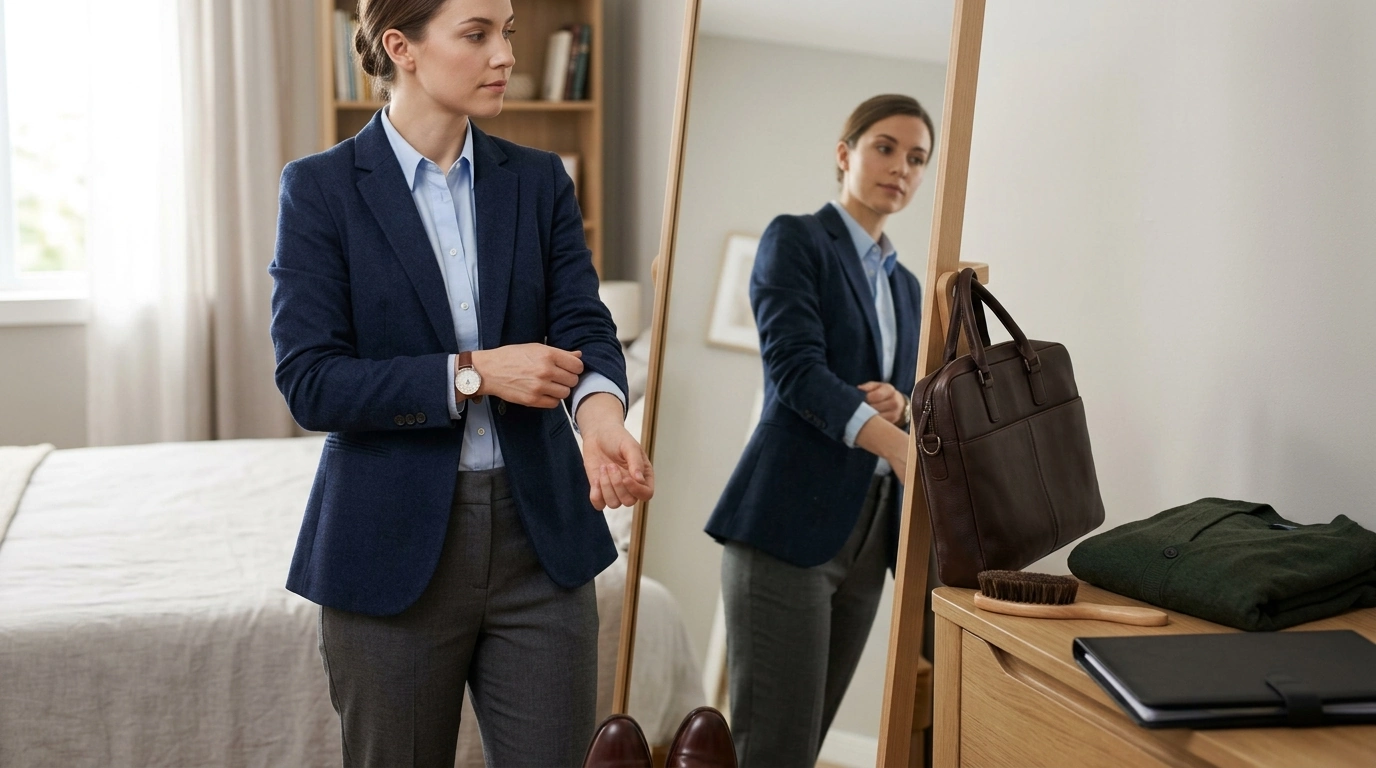
The Interview Outfit Checklist That Works Every Time
Interview outfits are less about “fashion” and more about reducing risk: looking credible, aligned with the role, and appropriately polished for the company’s culture. A reliable checklist removes last-minute guesswork and helps ensure fit, grooming, and details support a confident first impression—whether the interview is in-person or on video.
Start With the Role and the Room
Before picking a blazer or shoes, decide what “professional” means in that specific setting. The same outfit can read as perfect in one office and oddly formal (or too relaxed) in another.
- Match formality to the environment: corporate, finance, and law typically expect more structure than many startups or creative teams.
- When uncertain, go one step more formal: it’s easier to relax formality (remove a tie, swap a blazer for a cardigan) than to recover from underdressing.
- Consider role signals: client-facing roles usually require sharper polish than back-office positions.
- Account for season and commute: discomfort shows up in posture and facial expression—choose layers and shoes you can move in.
If you’re researching the role, it can help to skim how the organization communicates expectations and professionalism (for example, through leadership advice on workplace norms at Harvard Business Review) and understand typical work settings for your occupation (see the U.S. Bureau of Labor Statistics Occupational Outlook Handbook).
The Core Checklist (Works Across Most Industries)
These standards hold up in most interview rooms because they prioritize fit, clean lines, and distraction-free details. If you only have time to perfect a few things, prioritize: fit at the shoulders/waist, clean shoes, and wrinkle control.
- Outfit foundation: a clean, well-fitting top and bottom that hold shape (no pulling, gaping, or shiny wear spots).
- Color strategy: neutrals and muted tones read well; use one subtle accent at most.
- Fit test: sit, stand, reach, and walk; confirm comfort and coverage from every angle.
- Fabric check: avoid overly sheer materials; remove lint, pet hair, and pilling.
- Shoes: closed-toe or polished minimal styles are the safest option; confirm they’re clean and comfortable.
- Socks/hosiery: coordinate with shoes and hemline; avoid loud patterns unless the company is clearly casual/creative.
- Belt and hardware: match metals (belt buckle, watch) and keep accessories quiet.
- Bag: structured tote, briefcase, or simple backpack in excellent condition; avoid overly casual gym styles.
Interview Outfit Checklist (Quick Scan)
| Item | Quick standard | Common mistakes | Last-minute fix |
|---|---|---|---|
| Top | Opaque, wrinkle-free, sits smoothly at shoulders | Gaping buttons, visible underlayers, stains | Fashion tape, undershirt swap, stain pen |
| Bottom | Comfortable at waist, no pulling when seated | Too tight, dragging hem, shiny wear spots | Hem tape, belt, change to darker option |
| Layer | Blazer/cardigan/jacket that elevates polish | Overly casual hoodie, oversized fit | Swap to structured layer, steam quickly |
| Shoes | Clean, quiet, stable to walk in | Scuffed toes, loud heels, discomfort | Wipe/shine, add insoles, choose lower heel |
| Grooming | Neat hair, tidy nails, minimal fragrance | Strong scent, chipped polish, flyaways | Unscented wipe, nail file, hair spray |
| Accessories | Minimal, non-distracting, secure | Jangly bracelets, flashy logos | Remove extras, choose classic pieces |
| Documents | Resume copies, notes, pen, portfolio as needed | Loose papers, no pen, dead device | Folder, spare pen, charge pack |
For a ready-to-reuse version you can print and keep with your interview folder, see The Interview Outfit Checklist That Works Every Time – Your Ultimate Guide to Job Interview Attire.
Grooming and Finishing Details That Change Everything
Even a great outfit can lose impact if the finishing details feel unintentional. The goal is “tidy and controlled,” not “overdone.”
- Hair: choose a controlled style so you’re not constantly touching it during the conversation.
- Nails: clean and trimmed; neutral polish or no polish keeps attention on your answers.
- Fragrance: go light or skip entirely—scent sensitivity is common.
- Makeup (optional): balanced and camera-friendly; heavy shimmer can look harsh under lights.
- Facial hair: neatly trimmed with clean edges; check symmetry in natural light.
- Wrinkle and lint control: keep a lint roller, mini steamer, or wrinkle-release spray ready the night before.
Video Interview Adjustments (Camera Changes the Rules)
On video, the “best” outfit is the one that reads clearly, doesn’t flicker or distort on camera, and keeps the focus on your face and voice.
Industry and Culture Cheatsheet
The Night-Before and Day-Of Routine
If you like systems, pairing your interview prep with other checklists can reduce mental load during a busy job search week, such as Corporate Credit Card Mastery Checklist for new-business logistics or the Gen Z Smart Money Habits Bundle for building steadier day-to-day financial habits.
A Printable Checklist for Easy Repeat Use
- Make it repeatable: a consistent checklist removes decisions and speeds up preparation across interviews.
- Focus on three outcomes: appropriate formality, clean fit, and distraction-free details.
- Store it with your documents: keep the checklist next to your resume and interview notes so it’s always used.
- Use a digital download: save, print, and reuse a ready-made list like The Interview Outfit Checklist That Works Every Time – Your Ultimate Guide to Job Interview Attire.
FAQ
Is it better to overdress or underdress for an interview?
When you’re unsure, lean slightly more formal. You can relax the look by removing a tie, swapping a blazer for a cardigan, or simplifying accessories, but underdressing is harder to correct once you arrive.
What should be avoided on camera for a virtual interview?
Avoid busy patterns (tight stripes or tiny checks), overly bright whites that can wash out under lighting, and distracting jewelry that catches light or makes noise. Solid, mid-tone colors and a quick lighting test in your actual setup usually look best.
How many outfits should be prepared if multiple interview rounds are scheduled?
Plan one primary outfit plus a backup top and an alternate shoe option. For multi-day rounds, keeping the same base (pants/skirt and shoes) while rotating tops helps you look consistent, polished, and prepared.







Leave a comment