Highway Driving Confidence: Calm Steps for Nervous Drivers
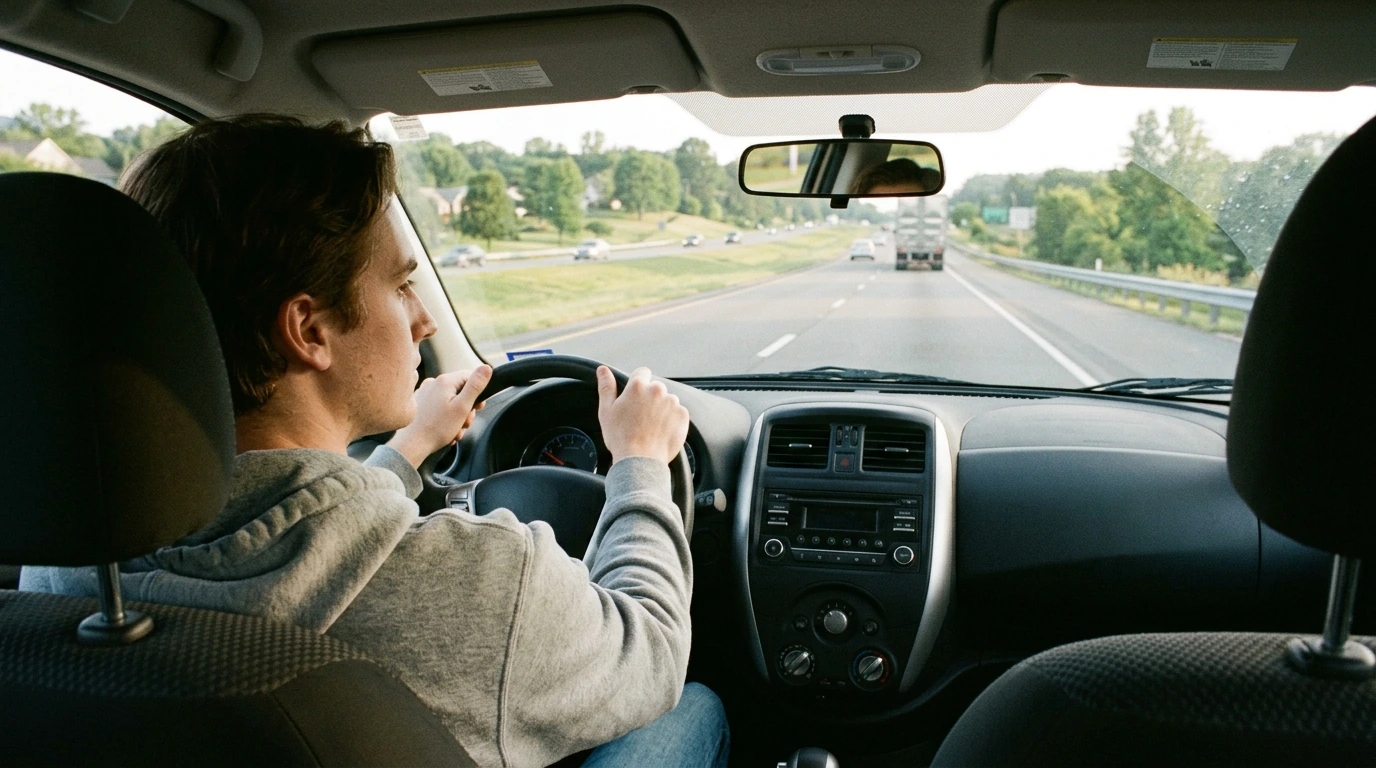
Build Confidence for Highway Driving: A Calm, Step-by-Step Guide for Nervous and Beginner Drivers
Highway driving can feel overwhelming when speed, merging, and close traffic trigger tension. Confidence grows fastest with a clear plan: understand what’s causing the fear, practice the right skills in the right order, and use simple calming tools that keep attention on the road. The goal is steady progress—short, repeatable wins that make the highway feel predictable and manageable.
Why highways feel intimidating (and why it’s common)
Feeling nervous on the highway is a normal response to a fast, information-heavy environment. A few factors tend to amplify anxiety:
- Higher speeds shorten reaction time, which can magnify worry about making a mistake.
- Merging and lane changes require quick decisions while tracking multiple vehicles at once.
- Large trucks, wind gusts, and loud road surfaces can add sensory stress and “alarm” the body.
- Past close calls or limited experience can train the brain to expect danger even on routine drives.
If anxiety feels intense or persistent, it can help to understand how the body’s stress response works (overview from the American Psychological Association) and pair that knowledge with practical, behind-the-wheel skills.
A simple “confidence ladder” for highway practice
The fastest way to build comfort is to reduce uncertainty. Start small, repeat often, and add challenge in single steps:
- Start with low-pressure routes: short on-ramps, lighter traffic, familiar exits.
- Increase only one challenge at a time (speed, traffic density, trip length, or time of day).
- Repeat the same route until it feels routine; repetition builds automaticity.
- Plan an “exit strategy” for every practice drive (next exit, rest area, safe pull-off) so your brain knows it has options.
Example confidence ladder (adjust to local roads)
| Step | Practice focus | When to move up |
|---|---|---|
| 1 | Drive parallel surface roads at 40–50 mph; practice smooth scanning | Heart rate and tension drop within a few minutes |
| 2 | Enter highway, stay in right lane, exit at next exit (5–10 minutes) | Can merge without freezing; breathing stays steady |
| 3 | Add one lane change with lots of space; exit soon after | Lane change feels planned, not rushed |
| 4 | Longer right-lane cruise (15–25 minutes) with steady spacing | Can maintain following distance and speed consistently |
| 5 | Practice moderate traffic or a busier time window | Can recover quickly after surprises (braking, trucks) |
| 6 | Complex segments (interchanges, multi-lane merges) with pre-planned route | Can make decisions calmly even if a turn is missed |
Calm driving skills that work in real time
Confidence isn’t “forcing yourself to be brave.” It’s having a simple routine when your body gets loud.
- Pre-drive reset (20 seconds): unclench your jaw, lower your shoulders, and do two slow exhales to reduce adrenaline spikes.
- Information scanning vs. threat scanning: mirrors → far-ahead traffic flow → lane lines → repeat. This keeps your attention purposeful.
- Pick a reference point far ahead (not the hood of the car). It reduces the sensation of speed and helps steering stay smooth.
- Use “name-and-aim”: name the task (“merge”), then aim at the steps (“signal, check mirror, shoulder check, move”).
For broader safety reminders and crash-prevention basics, the National Highway Traffic Safety Administration (NHTSA) is a helpful reference.
Merging without panic: a repeatable routine
Merging gets easier when it becomes a sequence you trust. Try this same routine every time:
- Before the ramp: choose a goal speed that matches traffic flow as closely as conditions allow.
- On the ramp: commit to accelerating smoothly; hesitation often makes merging harder because it shrinks your gap options.
- At the merge point: find a gap early, signal clearly, and keep your eyes moving (mirror → over-shoulder → target gap).
- If no gap appears: continue on the ramp if possible, or take the next exit. Missing a merge is a navigation problem, not a failure.
Lane changes, trucks, and spacing: staying comfortable at speed
For additional context on roadway risk and prevention, the CDC’s motor vehicle safety resources are a solid overview.
A plan for moments of overwhelm (without creating new risks)
Practice structure that builds confidence faster
A portable guide for nervous and beginner drivers
- Build Confidence for Highway Driving digital guide (eBook download) — a budget-friendly step-by-step practice guide designed for nervous and beginner drivers.
- Corporate Credit Card Mastery Checklist (Digital Download) — useful if you like checklist-style tracking and structured routines.
- Gen Z Smart Money Habits Bundle — helpful for building confidence with budgeting if driving goals include commuting or trip planning.
FAQ
How long does it take to feel comfortable on the highway?
Many drivers notice meaningful improvement within a few weeks of short, repeatable practice (2–4 sessions per week), while deeper comfort can take a couple of months. Moving up one challenge at a time and repeating the same route until it feels routine usually speeds progress.
What should a nervous driver do if they miss an exit or can’t merge safely?
Stay steady in your lane, avoid sudden steering or braking, and continue to the next exit where you can re-route safely. Treat it as a normal navigation hiccup—getting off safely is always the correct choice.
Is it better to practice highway driving alone or with someone?
A calm passenger or instructor can reduce pressure during early merges and complicated interchanges. Once your basic routine feels stable, solo practice helps build independence and confidence that you can handle the highway on your own.












Leave a comment