Anxiety Relief Bundle: Mindfulness, Prompts & Checklist
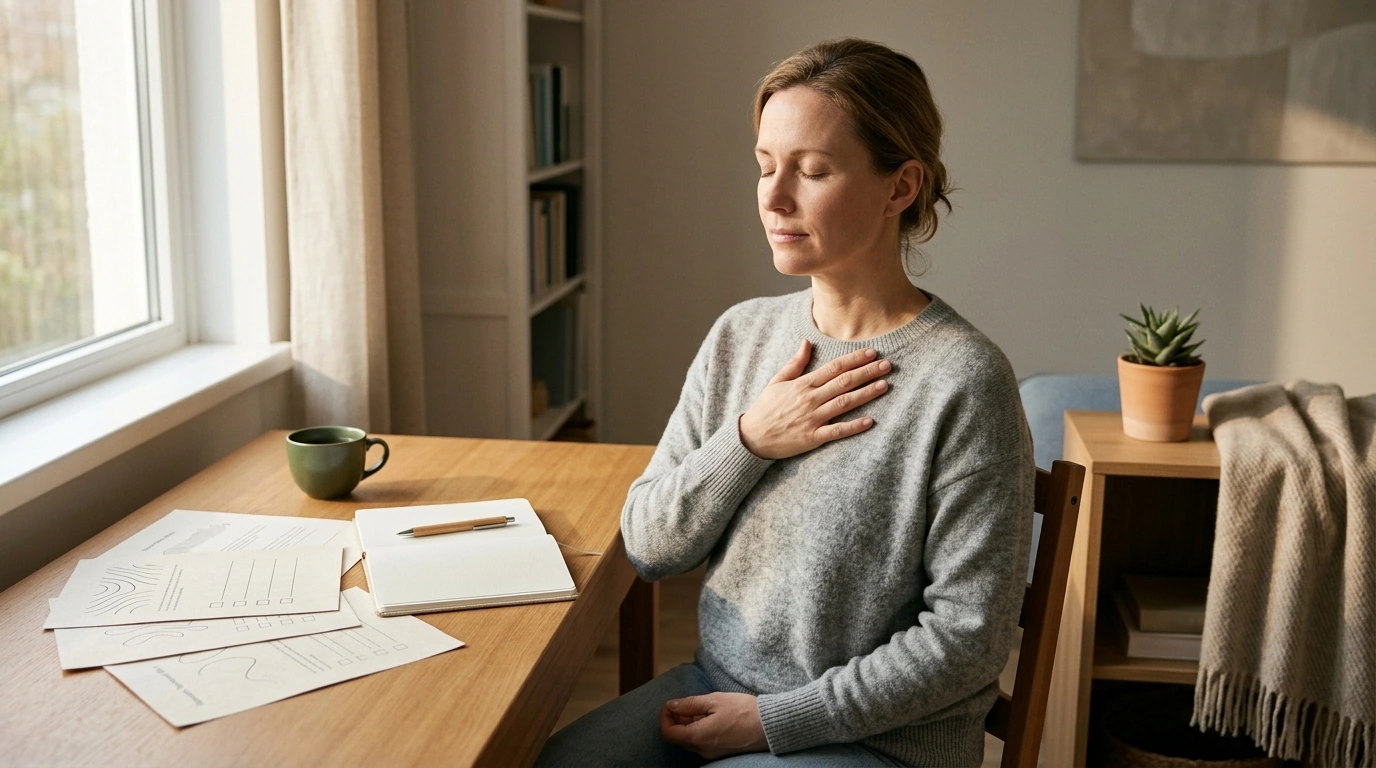
The Anxiety Relief Bundle: A Path to Calm — A 4-in-1 Toolkit for Mindfulness, Positive Thinking, and Daily Checklists
Anxiety can feel like a nonstop loop of worry, physical tension, and “what if” thoughts. A structured, repeatable routine often helps more than random tips. The Anxiety Relief Bundle is designed to turn calming skills into a simple daily practice with guided mindfulness exercises, positive thinking prompts, a printable checklist, and a course-style outline to follow at a steady pace.
For a helpful overview of how anxiety can show up and when it may require additional support, you can also reference trusted resources like the National Institute of Mental Health and the American Psychological Association.
What’s Included in the 4-in-1 Bundle
- Mindfulness exercises: short, guided practices that build awareness of thoughts, sensations, and breathing without getting pulled into spirals.
- Positive thinking resources: prompts and reframes that support more balanced self-talk (without forcing unrealistic positivity).
- Printable checklist: a one-page daily/weekly tracker to reduce decision fatigue and make consistency easier.
- Course outline: a step-by-step structure that organizes skills into a practical progression rather than a scattered collection of worksheets.
If you want the full set in one place, see The Anxiety Relief Bundle: A Path to Calm | 4-in-1 Bundle | Mindfulness Exercises, Positive Thinking, Printable Checklist & Course Outline.
Who This Bundle Fits Best
- Anyone who wants a gentle, structured routine for stress and worry rather than starting from scratch each day.
- Busy students or professionals who need short exercises that can fit into morning, midday, or evening windows.
- People who prefer written prompts and checklists over apps, or who want an offline-friendly option.
- Those building supportive habits alongside therapy, coaching, or self-care practices (not as a replacement for professional care).
Many people also notice anxiety is tied to practical stressors—especially money. For a structured approach to finances that can reduce “background worry,” consider pairing your calming routine with Gen Z Smart Money Habits Bundle | The New Money Mindset + Smart Money Moves for generation z banking habits.
How the Pieces Work Together (A Simple System, Not Random Tips)
- Mindfulness helps notice anxious cues earlier (tight chest, racing thoughts), making it easier to respond before anxiety escalates.
- Positive thinking tools guide a shift from catastrophic predictions to more evidence-based, balanced statements.
- The printable checklist provides a “minimum baseline” plan for hard days and a fuller routine for better days.
- The course outline keeps progress steady, so calming skills are practiced in a logical order and revisited enough times to stick.
Bundle Components and Practical Use
| Component | Best time to use | What it supports | Example outcome |
|---|---|---|---|
| Mindfulness exercises | Morning or during a spike | Nervous system settling, attention control | Fewer “runaway” thoughts after a 5–10 minute reset |
| Positive thinking prompts | After journaling or before bed | Balanced self-talk, reduced catastrophizing | More realistic interpretation of stressful situations |
| Printable checklist | Daily planning or weekly review | Consistency, reduced overwhelm | Clear next step even on low-energy days |
| Course outline | Weekly structure | Skill progression, repetition | A repeatable routine that feels manageable |
A 7-Day Starter Plan Using the Bundle (Repeatable Weekly)
- Day 1: Choose a short mindfulness exercise and complete it once; print the checklist and mark only the essentials.
- Day 2: Add one positive thinking prompt after the mindfulness practice; write one balanced alternative thought.
- Day 3: Identify top anxiety triggers for the week (work, social, health, finances) and pick one tool to pair with each trigger.
- Day 4: Practice a “pause routine”: mindfulness first, then a positive reframe, then a small action step from the checklist.
- Day 5: Plan for a hard day: create a 3-step minimum routine (e.g., 3 minutes breathing, one prompt, one small task).
- Day 6: Review what helped most and repeat the strongest exercise twice (morning + evening).
- Day 7: Use the course outline to decide what to focus on next week; keep the checklist visible and simple.
How to Use Mindfulness Exercises When Anxiety Hits Fast
- Start with the body: slow the exhale slightly longer than the inhale to encourage a calmer rhythm.
- Name what’s happening: label sensations and thoughts (“tight shoulders,” “worrying about tomorrow”) to reduce mental fusion with them.
- Keep sessions short: 3–10 minutes can be enough during an acute wave; longer sessions can come later.
- Close with one tiny action: after the exercise, choose a next step from the checklist (water, short walk, one email, quick tidy).
When your mind is loud, “do the next small thing” can be more effective than trying to solve everything at once. If you like structured, bite-size planning tools, you may also find Corporate Credit Card Mastery Checklist | How to Manage Corporate Credit Cards for Small Business, Finance Teams & Entrepreneurs | Digital Download useful for simplifying work-related decision fatigue.
Positive Thinking That Feels Real (Not Forced)
- Aim for balanced, believable statements rather than “everything is great.”
- Use an evidence check: list two facts supporting the worry and two facts that challenge it.
- Try a compassionate reframe: talk to yourself the way a steady friend would—clear, kind, and practical.
- Track patterns: notice repeated thought themes (perfectionism, rejection, uncertainty) and reuse the most helpful reframe.
Making the Printable Checklist Stick
When to Get Additional Support
FAQ
Is this bundle suitable for beginners who have never tried mindfulness?
Yes. Start with the shortest exercises, keep the goal to “show up” rather than do it perfectly, and use the checklist to keep your routine simple before expanding.
How long does it take each day to use the materials?
A basic routine can take about 10–15 minutes (short mindfulness + one prompt + a quick checklist check-in). On calmer days, you can add time for deeper practice or review.
Can this replace therapy or medical care for anxiety?
No. It’s a self-guided support toolkit, not a substitute for professional diagnosis or treatment, and it’s best used as a complement to care and healthy routines when needed.









Leave a comment