Should Parents Monitor Their Kids Online? A Fair Approach
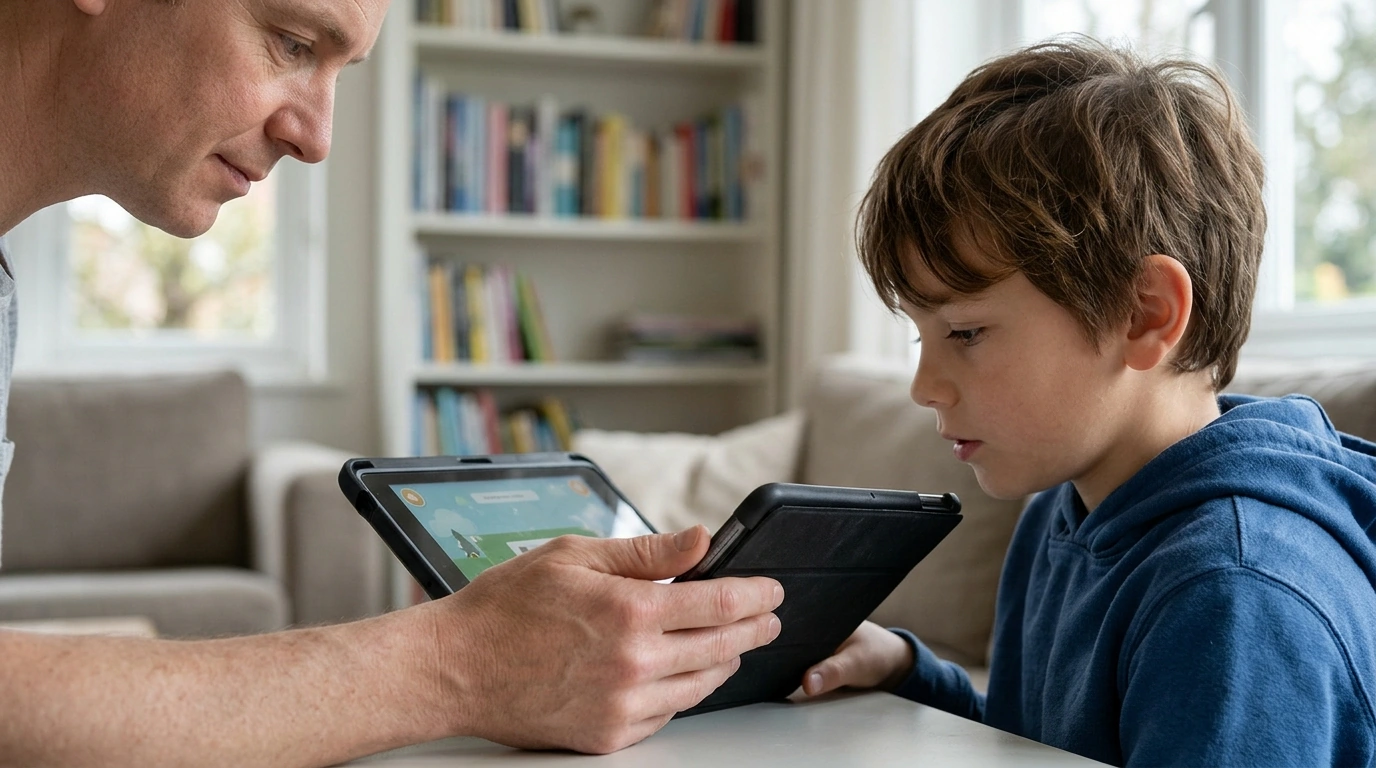
Is it okay for parents to monitor their kids online?
Yes. Parents can monitor their kids online to help keep them safe, especially when children are younger or new to a platform. The goal is to understand what your child is doing and step in when needed—not to watch every interaction indefinitely. Monitoring works best when you tell your child what you’ll review, why you’re doing it, and how those boundaries may change as they grow.
What should you monitor?
Start with the accounts, apps, games, and devices your child uses. Review privacy settings, who can contact them, what they can share publicly, and whether purchases or location sharing are enabled. For younger kids, it may make sense to review contacts and messages together. For older kids, regular conversations and agreed-upon check-ins can give them more room to practice good judgment while keeping a way to ask for help.
Focus on safety rather than catching mistakes. Pay attention to contact from strangers, requests for personal information or images, bullying, threats, and pressure to keep online conversations secret. If you use parental controls or monitoring tools, choose settings that match your child’s age and explain what the tools can and cannot do. A tool can help you spot a concern, but it cannot replace a conversation.
How do you keep monitoring fair?
Set expectations before there’s a problem. Tell your child which accounts you may access, when you’ll review them, and what would prompt a closer look. Give them a chance to explain an interaction before you respond, unless there’s an immediate safety concern. Avoid sharing their private conversations with others unless doing so is necessary to protect them.
As your child shows they can handle more independence, adjust the rules together. You might move from reviewing messages to checking privacy settings and talking through unusual contacts. Keep an easy, judgment-free path for your child to report something uncomfortable—even if they broke a rule getting there. For a practical schedule and warning signs to watch for, use our weekly online monitoring checklist.
FAQ
What should I do if my child receives a troubling message online?
Ask your child not to reply, and save the message before blocking or reporting the account through the platform. If the message includes a threat, sexual exploitation, or an immediate safety risk, contact the appropriate authorities and reassure your child that asking for help was the right move.









Leave a comment